Buyer Education
Toronto Real Estate Market 2026
The Greater Toronto Area real estate market is more selective than it was during the rush years. Buyers are comparing monthly cost, location quality, transit access, building reputation, and long-term resale value before they make a move. This makes education important. A strong purchase is no longer only about finding a listing; it is about understanding the neighbourhood, the property type, the financing, and the timing.
How Buyers Should Read The 2026 Market
The Greater Toronto Area continues to remain one of Canada’s most active and competitive real estate markets because of several long-term fundamentals that continue to support housing demand. Strong employment opportunities, steady immigration growth, world-class education institutions, major transit expansion projects, and limited land supply across key urban areas have all contributed to the ongoing appeal of Toronto and surrounding GTA communities. Whether buyers are searching for a downtown condo, suburban townhome, detached resale property, or long-term investment opportunity, the market continues to attract both end-users and investors who believe in the region’s long-term growth potential.
At the same time, today’s market conditions are very different from the low-interest-rate environment buyers experienced only a few years ago. Higher borrowing costs have significantly changed affordability calculations, making monthly cash flow and total ownership expenses far more important in the decision-making process. As a result, buyers are becoming more cautious, analytical, and focused on long-term financial sustainability rather than simply stretching for the highest purchase price they can qualify for.
Why Invest In Preconstruction Condos
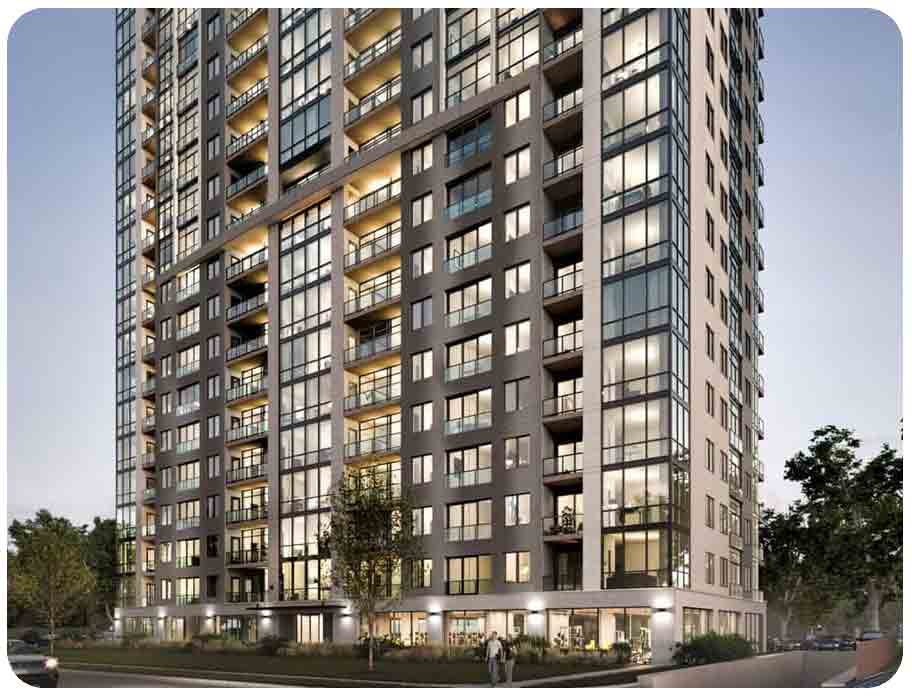
Preconstruction condos can be useful for buyers who want more time before occupancy, access to staged deposits, and the possibility of choosing a floor plan before the building is complete. Investors often review preconstruction because the purchase timeline can create flexibility, but the numbers must still make sense. Important items include the deposit structure, expected occupancy date, development charges, assignment rules, builder history, location fundamentals, and realistic rental demand.
First-Time Buyer Guide
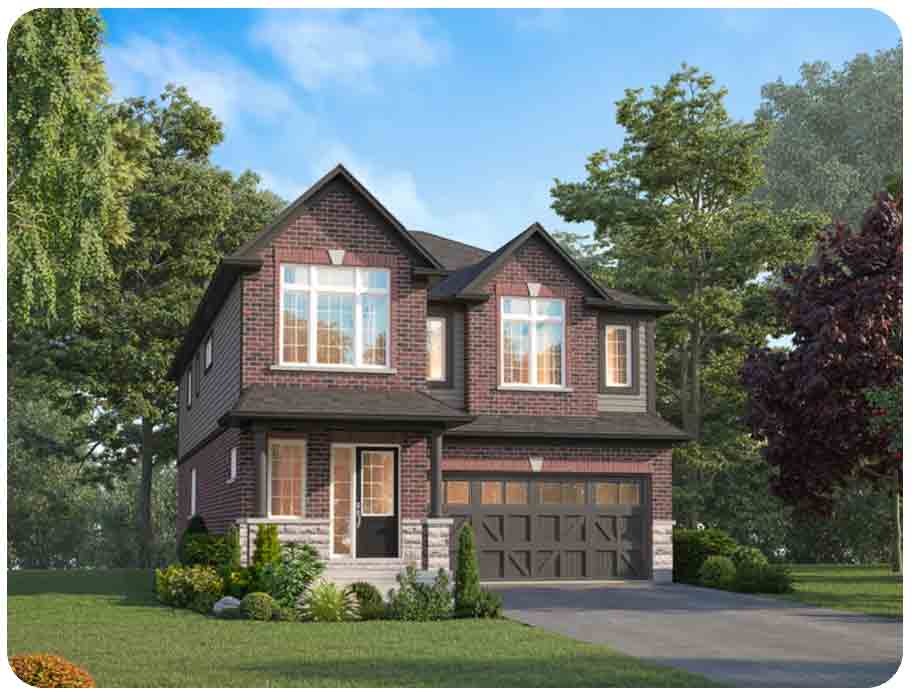
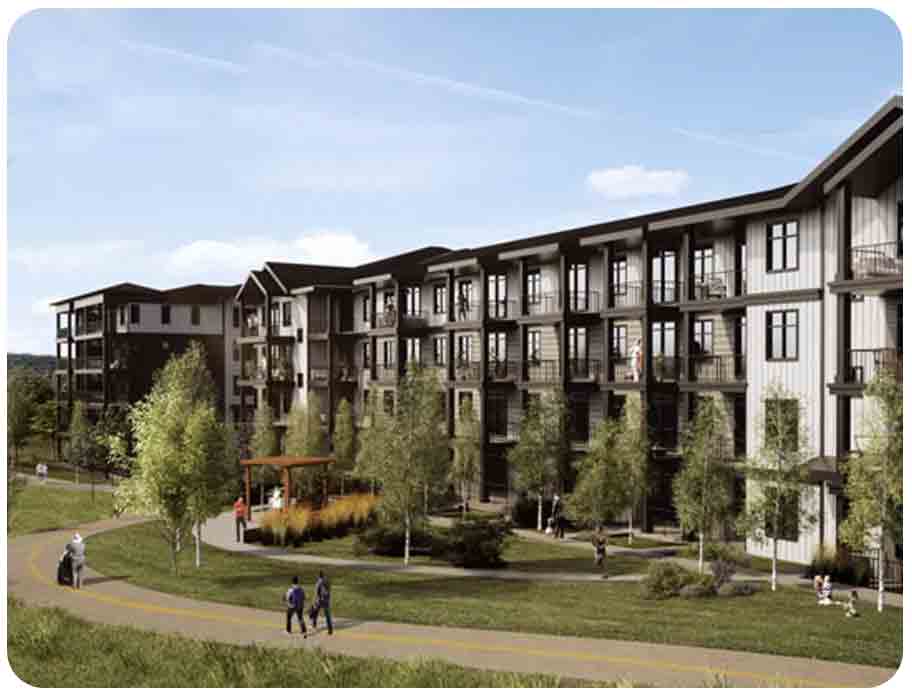
First-time buyers should begin with mortgage qualification, down payment planning, and closing cost estimates before falling in love with a property. A practical search compares lifestyle needs with resale value. Transit, commute time, schools, parks, grocery access, building age, monthly fees, and future area growth all matter. A careful buyer should also understand the difference between freehold, condo, assignment sale, resale, and preconstruction purchases.
Mortgage And Closing Cost Education
The purchase price is only one part of the budget. Buyers should plan for land transfer tax, legal fees, title insurance, appraisal costs, adjustments, moving costs, and possible HST or development-related charges depending on the property type. For condos, monthly maintenance fees and reserve fund health are important. For houses, repairs and utilities may be higher. Understanding these numbers early helps buyers make confident decisions and avoid surprises before closing.
Use The Calculators
Before You Compare Listings
A smart real estate purchase goes far beyond the listing price. Buyers often focus on getting the “cheapest” property, but the true cost and long-term value of a home or condo depend on many other factors that can significantly affect your lifestyle, monthly budget, and future resale potential.
Neighbourhood quality should be one of the first things evaluated. A property in a strong, growing neighbourhood with good schools, transit access, parks, restaurants, and low crime rates will generally hold its value better and attract stronger resale demand in the future. Even if the purchase price is higher, desirable locations tend to appreciate more consistently over time. In contrast, a cheaper property in a weaker location may save money upfront but could underperform in value growth and become harder to sell later.
Commute time also has a major impact on daily quality of life and future marketability. A home located near transit lines, highways, employment hubs, or walkable amenities can save hours each week and remains attractive to future buyers and tenants. Properties far from transit or major job centers may appear affordable initially, but long commutes can become exhausting and reduce buyer demand over time.
What We Review With Buyers
Loyalty Real Estate helps buyers review the numbers, the property type, the neighbourhood, the builder or seller details, and the next steps before making a decision. The goal is to help you search with confidence instead of rushing from one listing to another.